
The Illusion of Inclusion: Why in Europe We Adapt People Instead of Systems
We live in an era of what can be called “declarative equality.” European corporations and educational institutions proudly display ISO certificates, ESG reports, and diversity policies. On paper, the system looks flawless.
But if we look inside these “gold standard” processes, a different reality appears: we are still trying to “fix” people so they can fit into outdated systems, instead of redesigning the systems themselves.
A Systemic Gap: Europe as an Exporter of Outdated Models
Europe has long been seen as a global benchmark for quality and governance. It sets standards that the rest of the world follows.
Yet, this is where one of the most critical gaps exists. We have created detailed standards for everything from fire safety to cybersecurity but cognitive accessibility has been largely ignored.
In current ISO standards and audit checklists, you will not find clear, mandatory requirements for:
- Adapting learning to different ways of processing information (multimodality)
- Reducing cognitive and sensory overload in work environments
- Flexible pathways for people with ADHD, autism, or dyslexia
The result is a clear contradiction: inclusion exists at the level of policy, but discrimination is embedded in the design of the system.
The Cost of Masking: Invisible Business Losses
Modern discrimination is rarely explicit. It is silent and structural.
Thousands of highly skilled professionals across Europe engage in what is known as “masking.” They spend a significant amount of energy trying to appear neurotypical, adjusting to rigid schedules and standardized communication styles.
For businesses, this translates into measurable losses:
- Reduced productivity: up to 40% of cognitive energy is spent on fitting in rather than solving problems
- Burnout: talent leaves not because of lack of ability, but because the environment is cognitively exhausting
- Lost innovation: companies hire people for their unique thinking, then force them into standardized “old school” processes
The Technological Paradox
Organizations invest billions in Artificial Intelligence designed to replicate the diversity of human thinking.
At the same time, they fail to use these technologies to make learning and work environments accessible for real human minds.
AI can already:
- transform text into visual formats or audio
- highlight key insights
- restructure information for different cognitive styles
Yet many European organizations still rely on linear PDFs and long, one-directional training sessions.
The technology is ready. The mindset is not.
From Standardization to Neuro-Inclusion by Design
Real change will not come from new declarations. It will come from redesigning how systems are built.
This means:
Audit as a driver of change Cognitive accessibility must become a quality criterion within ISO standards. If a system is not accessible for neurodivergent people (ADHD, autism, dyslexia), it is a system failure not an individual limitation.
Moving beyond the “average user” Processes should be designed from the start for different cognitive styles, not adapted later upon request.
Redefining management Leaders must shift from controlling processes to enabling conditions where different types of thinking can perform effectively.
Conclusion
Inclusion is not a social initiative. It is a question of operational effectiveness and long-term competitiveness.
As long as the responsibility for adaptation lies with the individual rather than the system, our standards of quality remain incomplete.
Europe now faces a choice: remain a museum of well-written regulations, or become a laboratory for a truly adaptive and neurodiverse future.
Real change does not happen when we sign documents. It happens when systems stop requiring people to be someone they are not.
Blog
This section provides an overview of the blog, showcasing a variety of articles, insights, and resources to inform and inspire readers.
-

Clip Thinking of the New Generation
The world is changing and the new generation is changing with it. Today, time is…
-
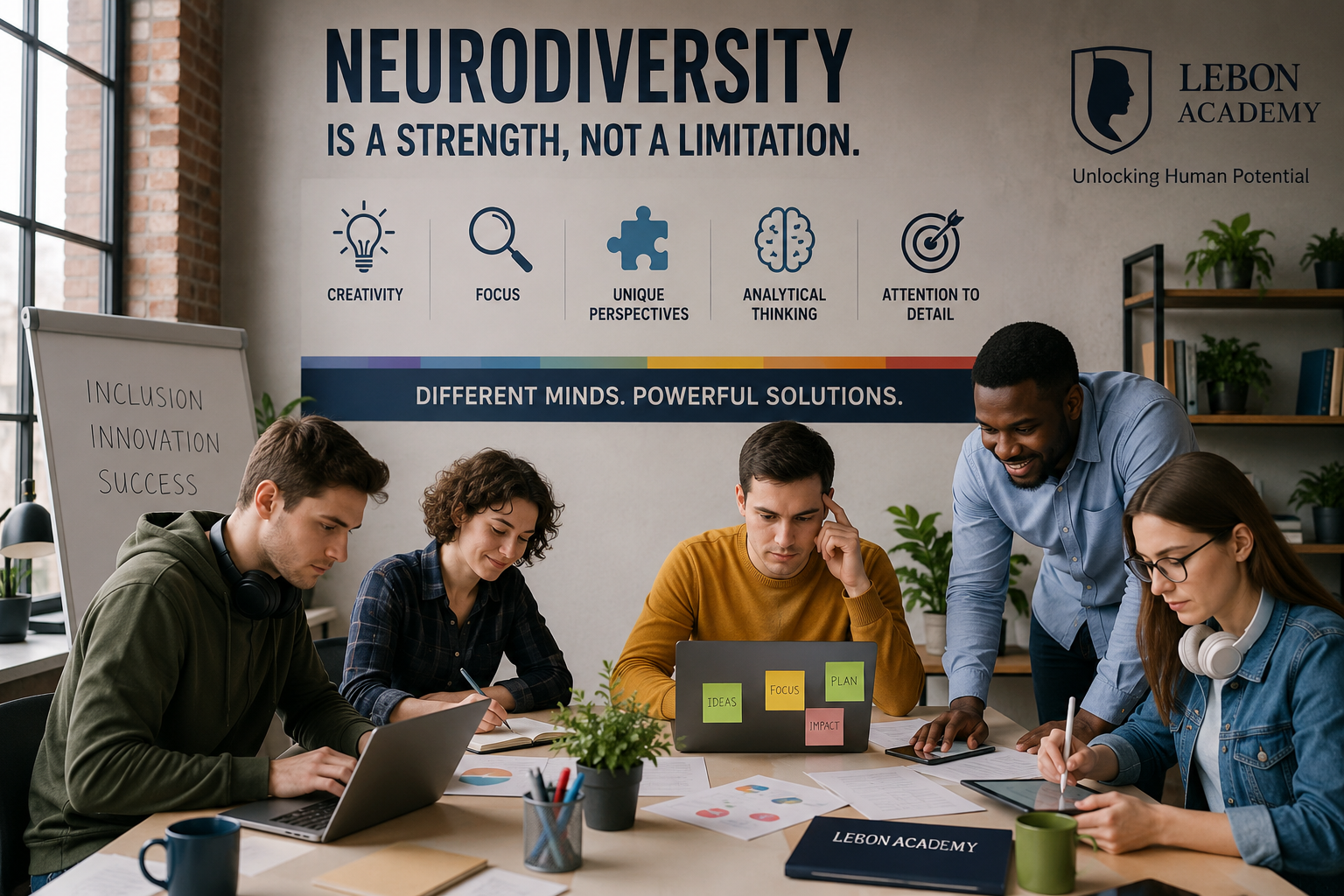
Neurodiversity as the Hidden Capital of Smart Employers
In recent years, neurodiversity has increasingly attracted the attention of smart and entrepreneurial employers. And…
-

Maximizing Workplace Safety with ISO 45001
Unlocking the Blueprint for Safer Work Environments Diving into the essentials of workplace safety, organizations…

Leave a Reply